Scenic Design for A Bright Room Called Day
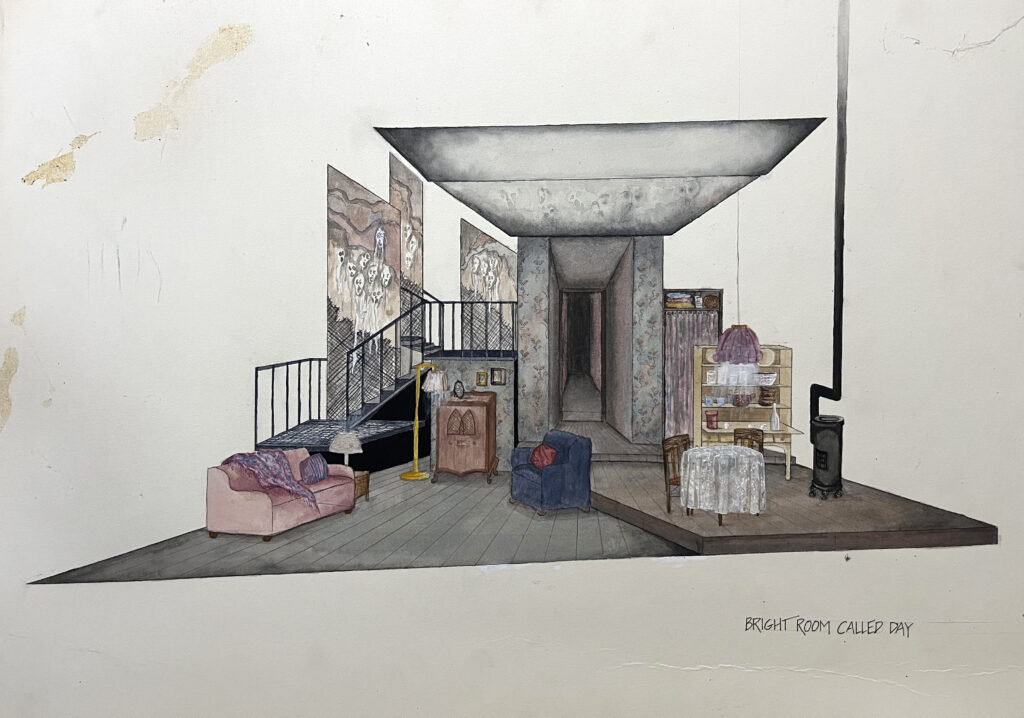
Designed for the production A Bright Room Called Day, this scenic concept explored themes of fear, oppression, memory, and the unseen forces that shape human behavior. The set was conceived as both an architectural environment and a symbolic landscape, creating an atmosphere that felt unsettling, layered, and emotionally charged.
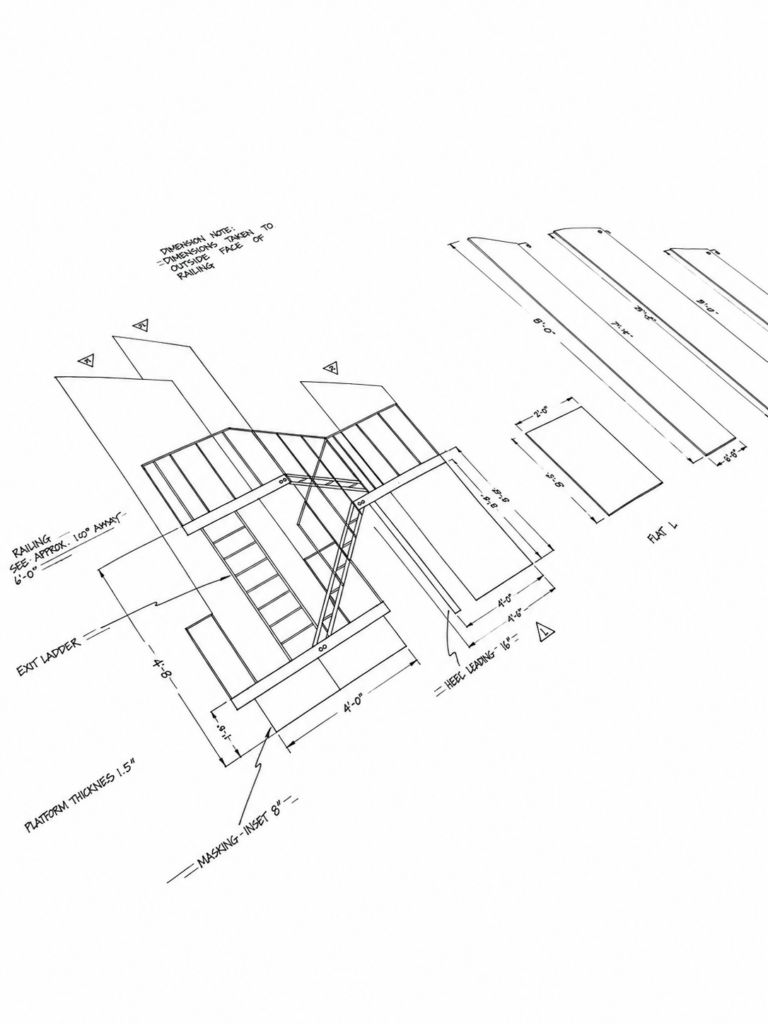
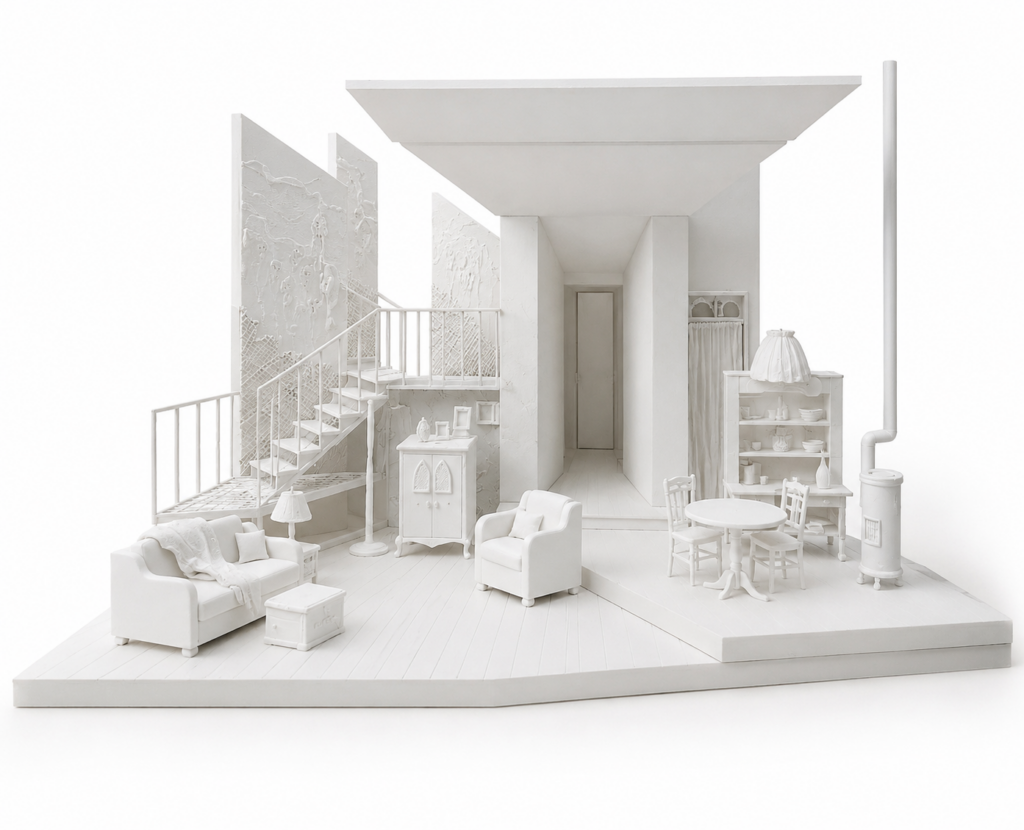
A central fire escape structure was designed to appear as aged metal while concealing sculpted faces embedded within the surrounding surfaces. Through carefully planned lighting and shadow, these hidden forms emerged throughout the performance, revealing haunting visual moments that reinforced the psychological tension of the play.
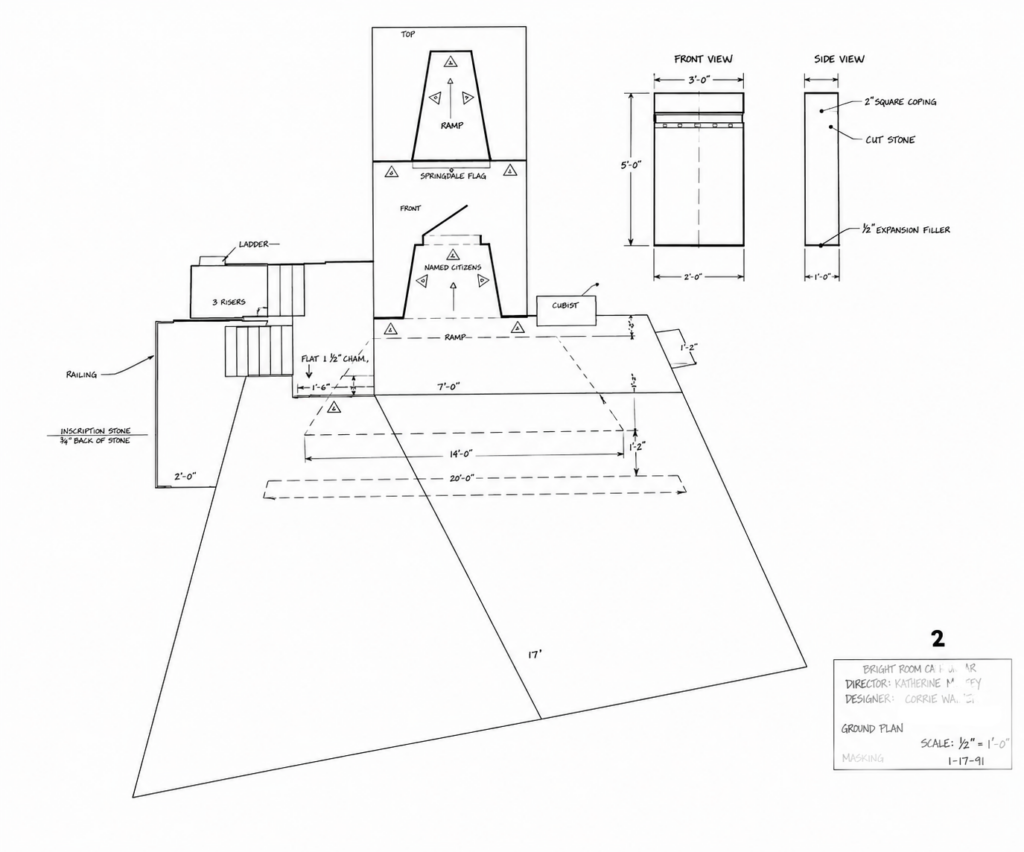
The design process included concept renderings, technical drafting plans, and a fully realized scale model used to communicate the vision from concept through production. Together, these elements demonstrate the integration of storytelling, visual design, and theatrical problem-solving required to transform an abstract narrative into a functioning stage environment.
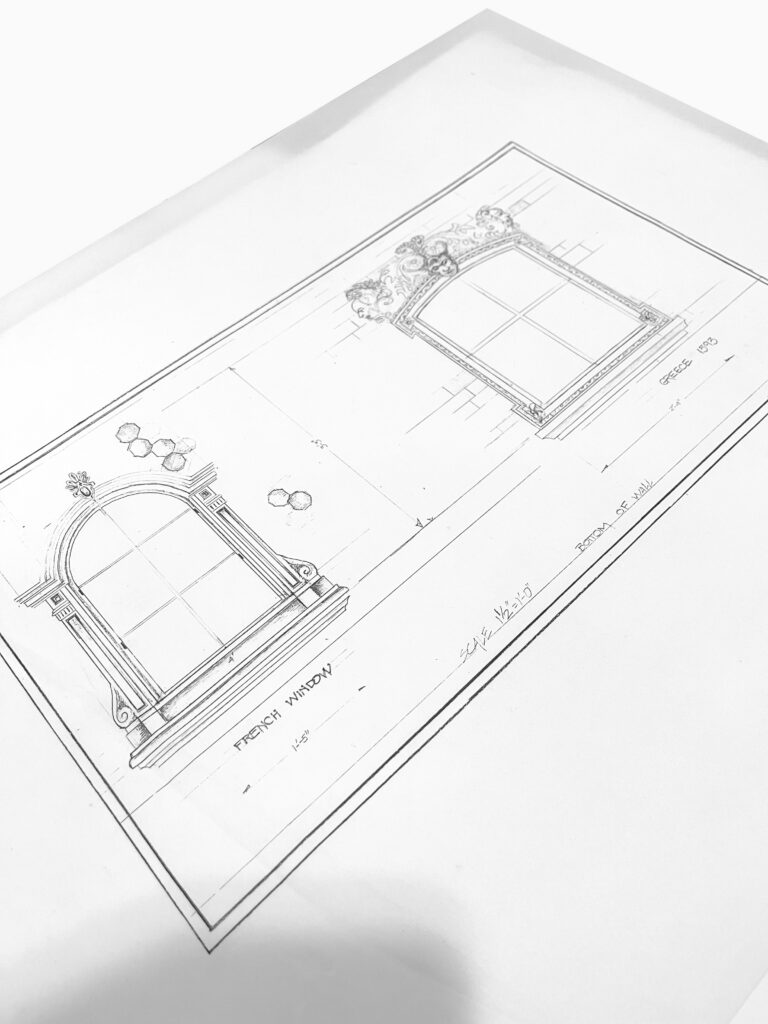
Architectural Drafting & Historic Detail Studies
These architectural drawings were developed as part of an intensive study of historic architectural styles, construction methods, and ornamental detailing. Through measured drafting and analytical observation, the work explored how proportion, structure, materials, and craftsmanship contribute to the character and function of a building.
The window studies required careful documentation of architectural elements including moldings, trim profiles, mullions, decorative details, and structural components. The process strengthened technical drafting skills while developing a deeper understanding of architectural design, historical precedent, and the relationship between form and function.
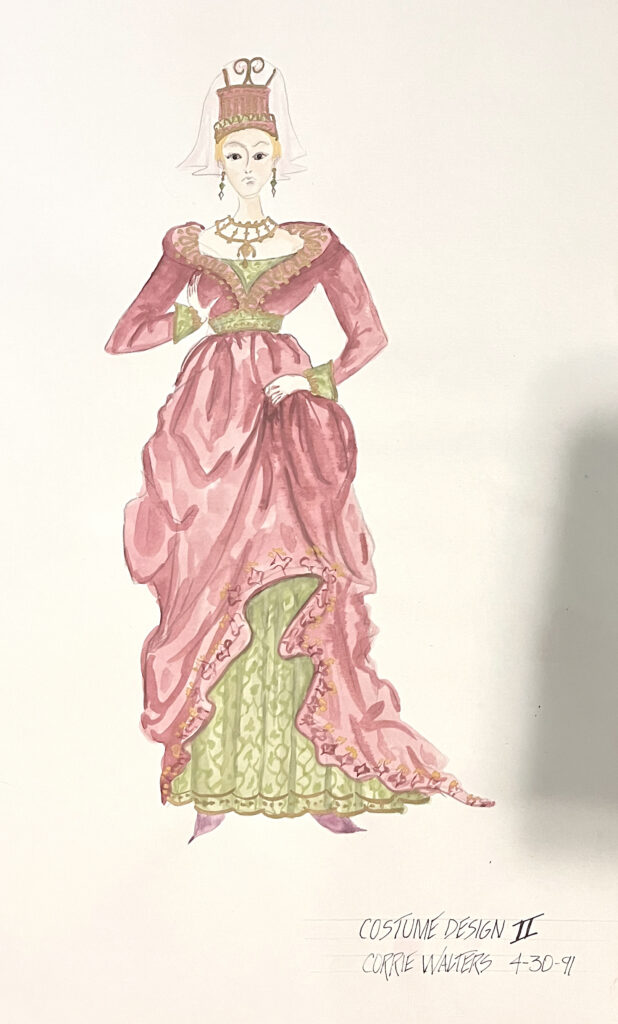
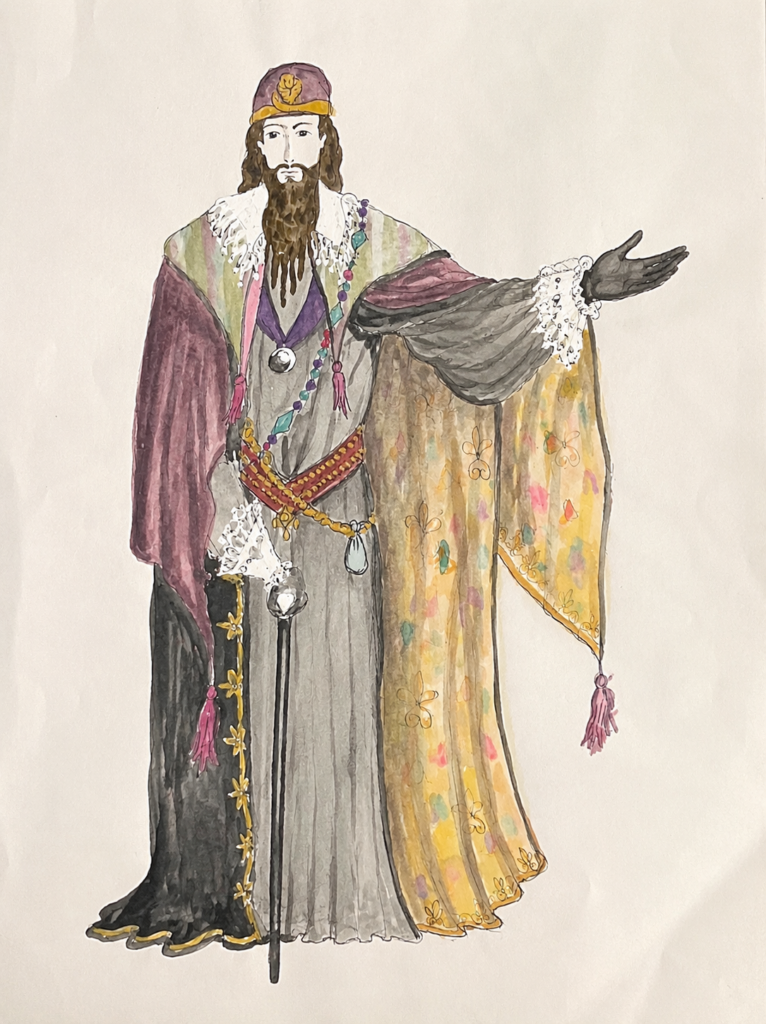
Bringing Historical Characters to Life
Costume design plays an important role in establishing time, place, and character. These historical costume studies were developed through research, sketching, and material exploration, resulting in detailed designs that reflected both period accuracy and theatrical expression.
Each concept was translated into a scale costume model using carefully selected fabrics, trims, and construction details, transforming illustrated ideas into tangible representations of the final design. The work highlights the intersection of research, craftsmanship, and storytelling within the costume design process.
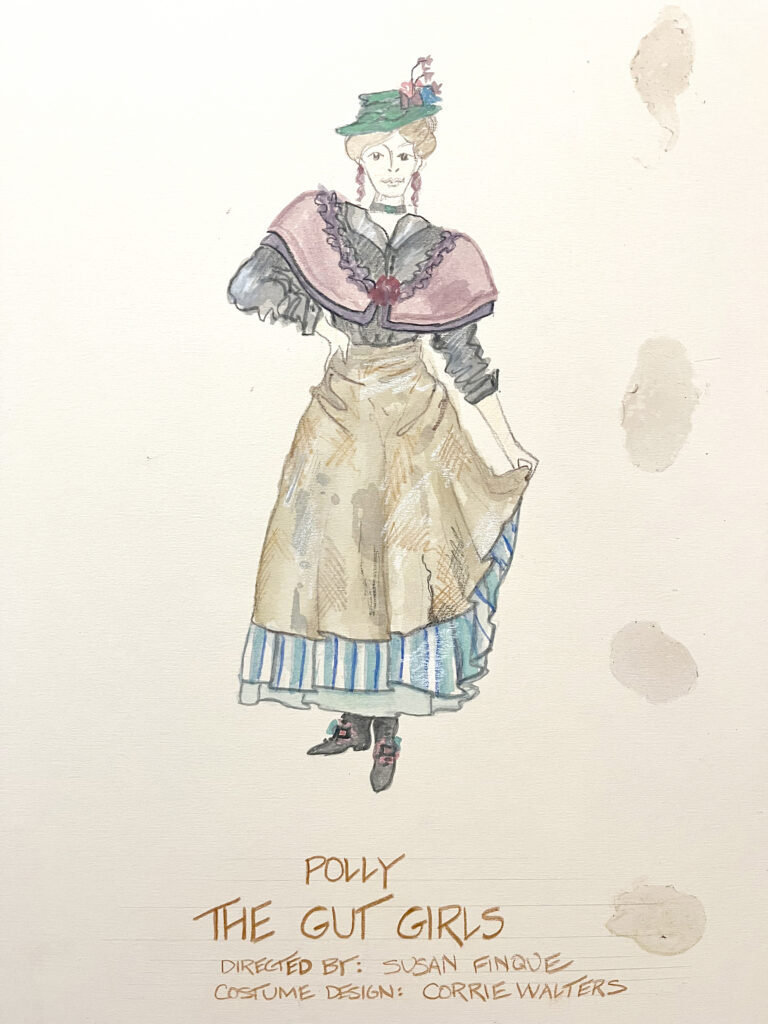
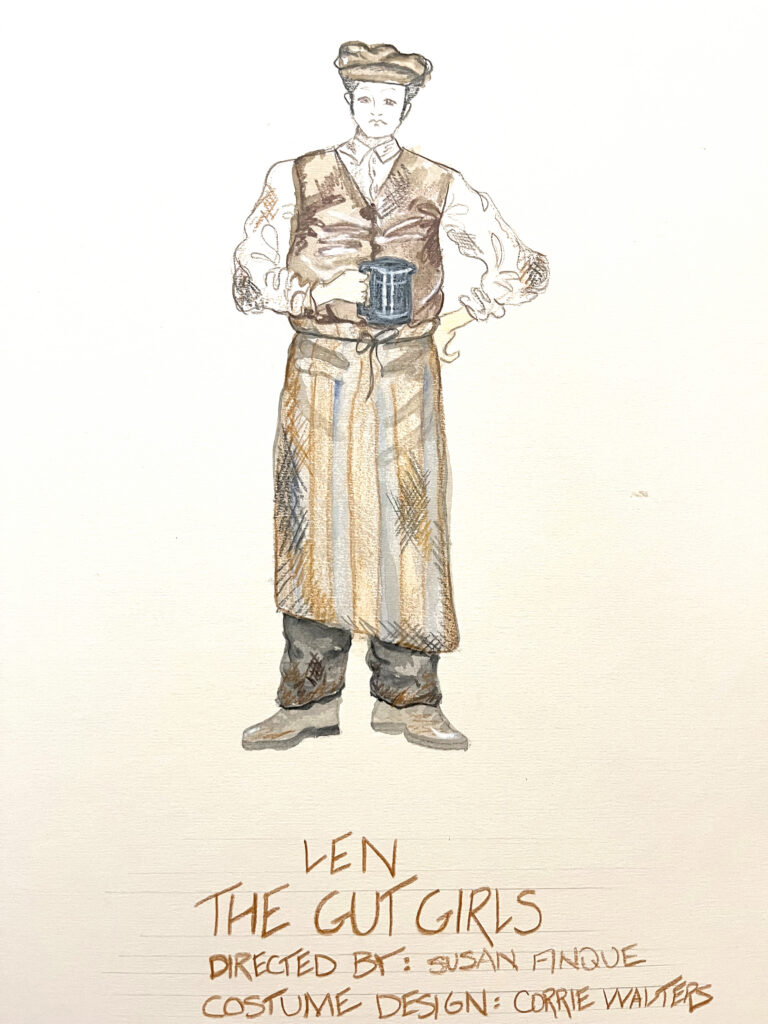
Costume Design for The Gut Girls
Designed costumes for The Gut Girls, directed by Susan Finque, a period drama centered on a group of young women working in the harsh and demanding environment of London’s Deptford slaughterhouses during the late 19th century.
The play explores themes of class, friendship, ambition, and social change as the women navigate a rapidly evolving world and seek opportunities beyond the limitations placed upon them.
Costume development focused on authentic period silhouettes, fabric selection, and character-driven details that reflected both social status and individual personality.
Particular attention was given to Polly and Len, whose contrasting perspectives and aspirations helped drive the narrative. Polly’s costumes reflected her intelligence, curiosity, and desire for personal advancement, while Len’s wardrobe emphasized practicality, resilience, and a grounded connection to her working-class roots.
The design process included historical research, costume renderings, fabric studies, and character analysis, resulting in costumes that supported both the historical setting and the emotional journeys of the characters throughout the production.

Velvet Palms Murals
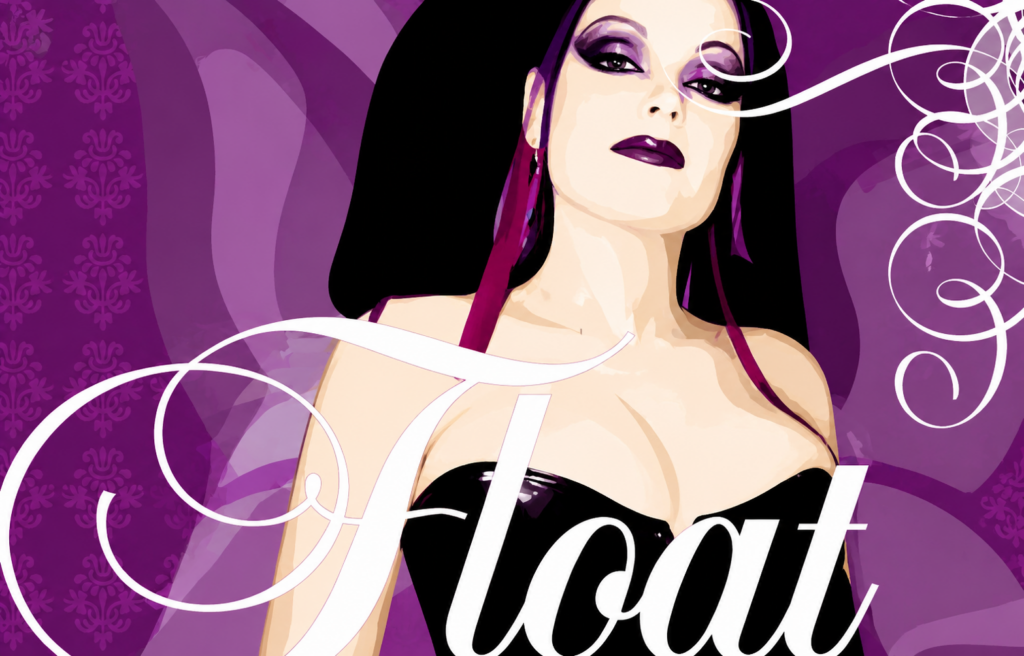
Designed a series of large-scale murals for The Velvet Palms Club in South Florida while working with Ziggurat Productions. The venue occupied a former boxing gym, creating an opportunity to blend the building’s history with the client’s vision for a more sophisticated and immersive hospitality environment.
Drawing inspiration from vintage tropical influences, and Art Deco aesthetics, the mural concepts transformed the existing space into a destination that felt elegant, layered, and memorable. Scale, texture, and visual rhythm were carefully considered to create artwork that complemented the architecture while adding character and a sense of discovery throughout the club.
From initial concept sketches through final artwork development, the project focused on creating a cohesive visual experience that honored the building’s past while establishing a distinctive new identity for the venue.
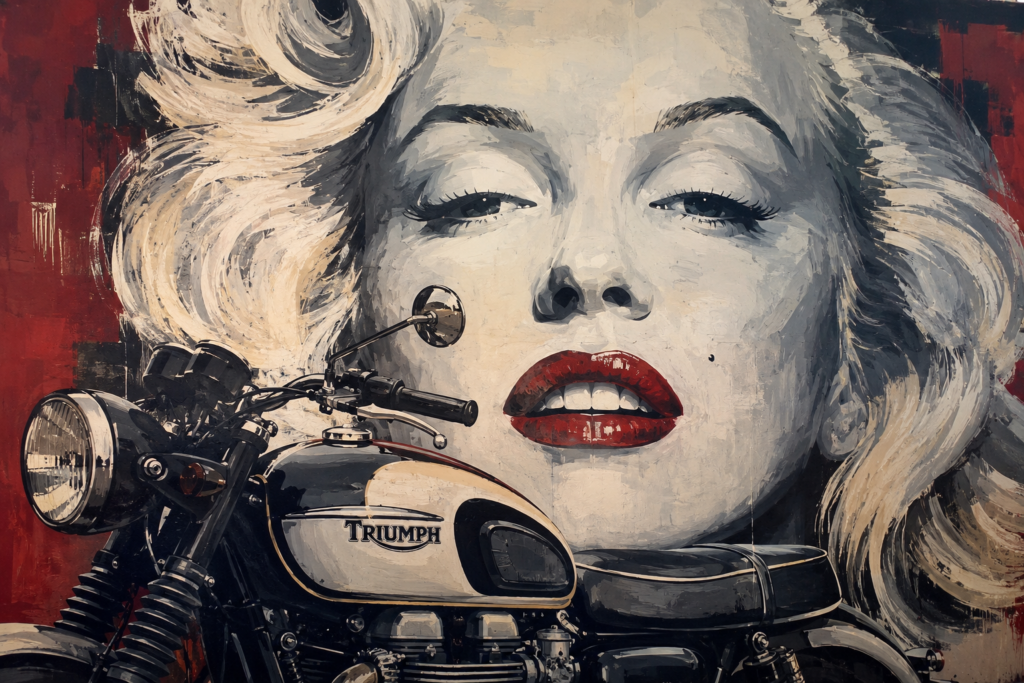
Marilyn Monroe Mural
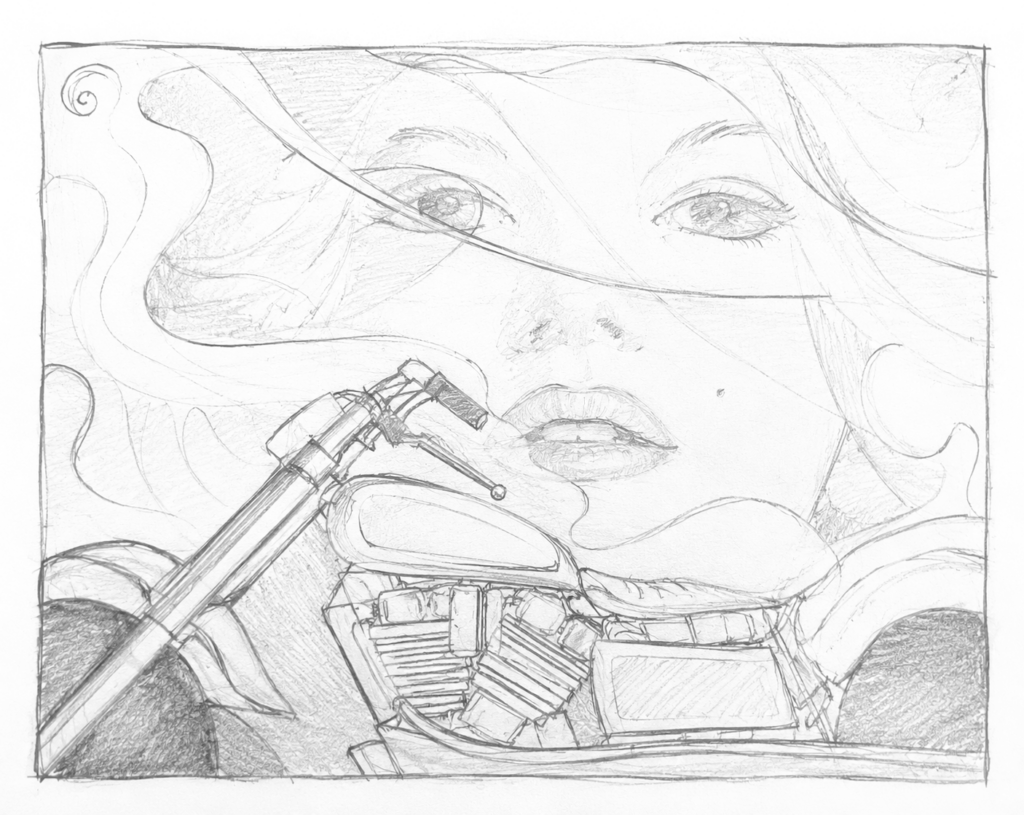
Designed and assisted in painting a large-scale mural featuring Marilyn Monroe and a classic Triumph motorcycle for a restaurant installation in Chicago while working with Ziggurat Productions. Inspired by the golden age of Hollywood, vintage advertising, and American road culture, the artwork was created to serve as a dramatic focal point within the dining environment.
The composition combined iconic imagery, nostalgic storytelling, and hand-painted craftsmanship to create a memorable guest experience. Designed specifically for the architectural space, the mural balanced scale, color, and visual impact while contributing to the restaurant’s overall atmosphere and identity. The result was an immersive environmental artwork that celebrated timeless American style and culture.
Scaling Artwork for Mural Painting
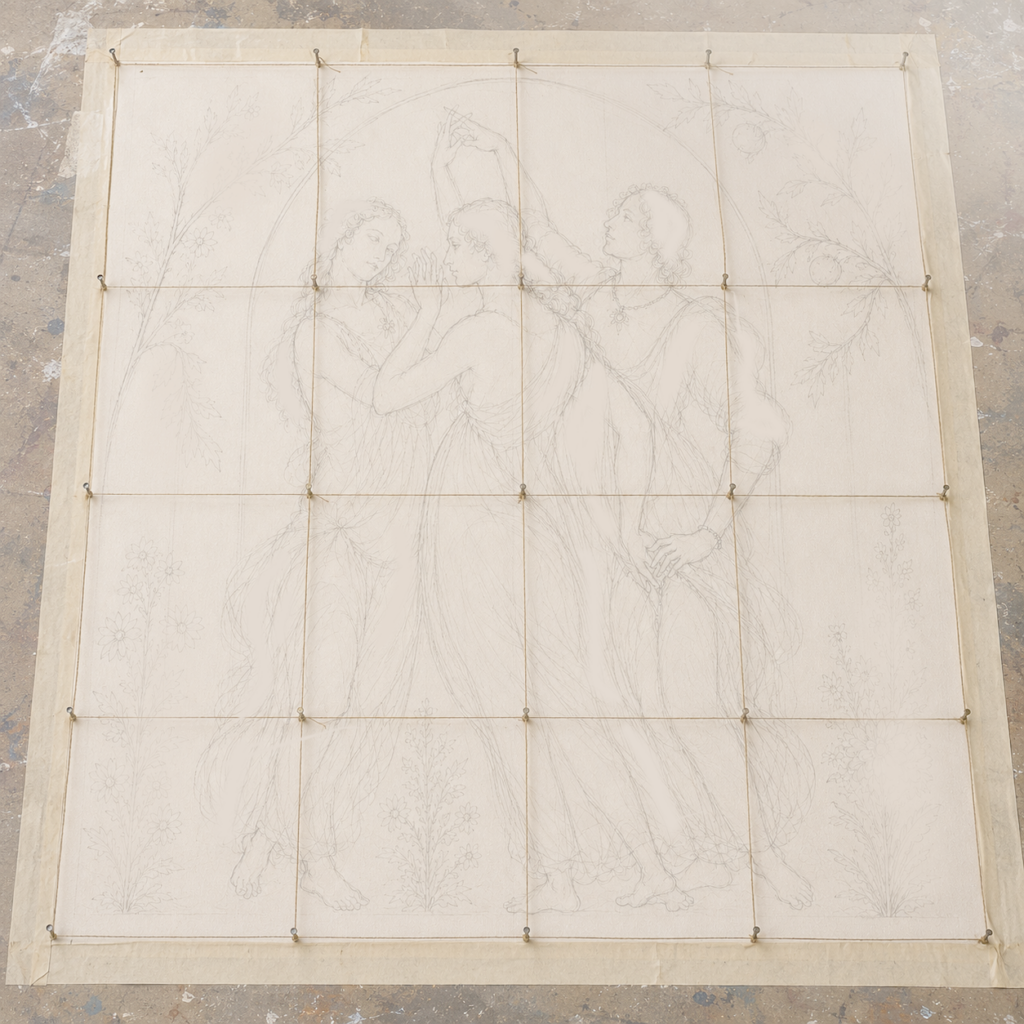
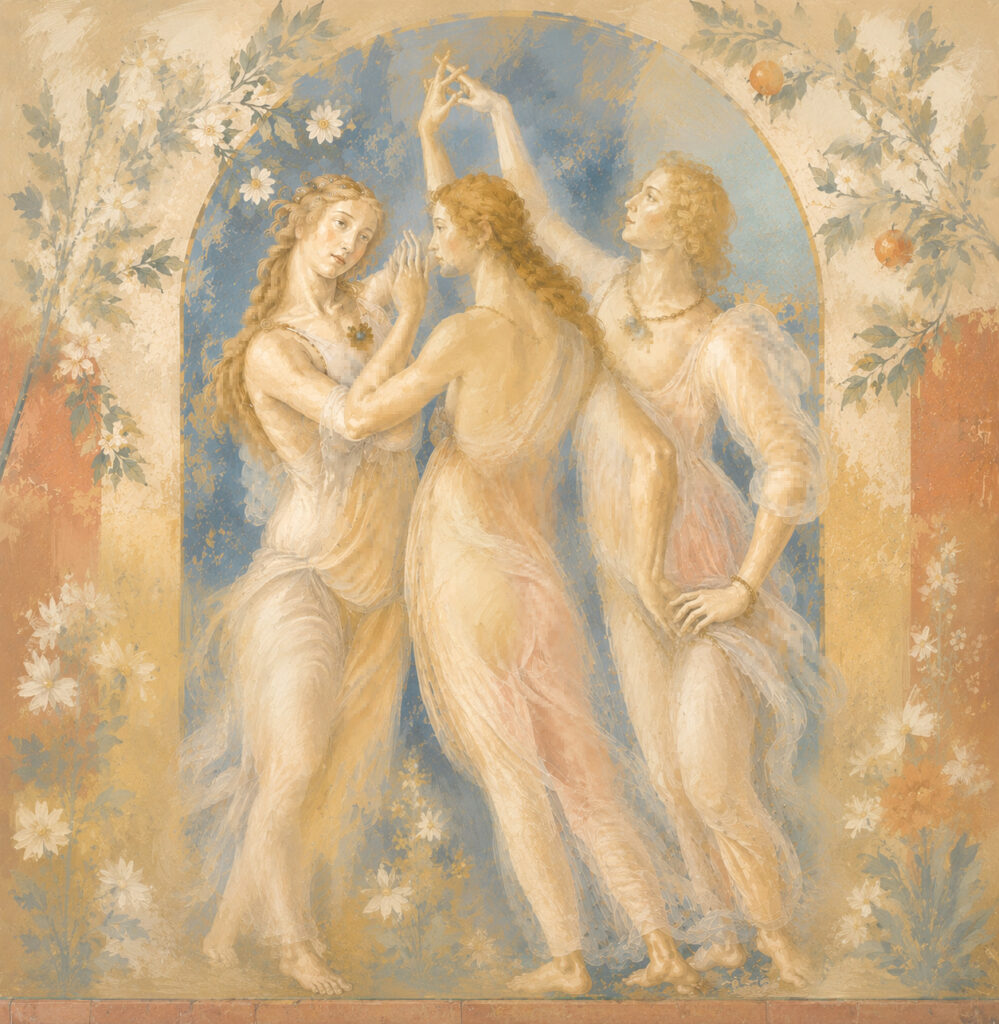
The Three Graces mural demonstrates the traditional grid-transfer process used to enlarge artwork from a small-scale drawing to a finished architectural installation. By dividing the original composition into a measured grid system, complex imagery could be accurately translated to mural scale while maintaining proper proportions, detail, and composition.
The process served as a critical bridge between concept development and final execution, allowing large-scale artwork to be painted with precision and consistency. This approach has long been used by muralists, scenic painters, and fine artists to transform intimate sketches into immersive environmental experiences.